
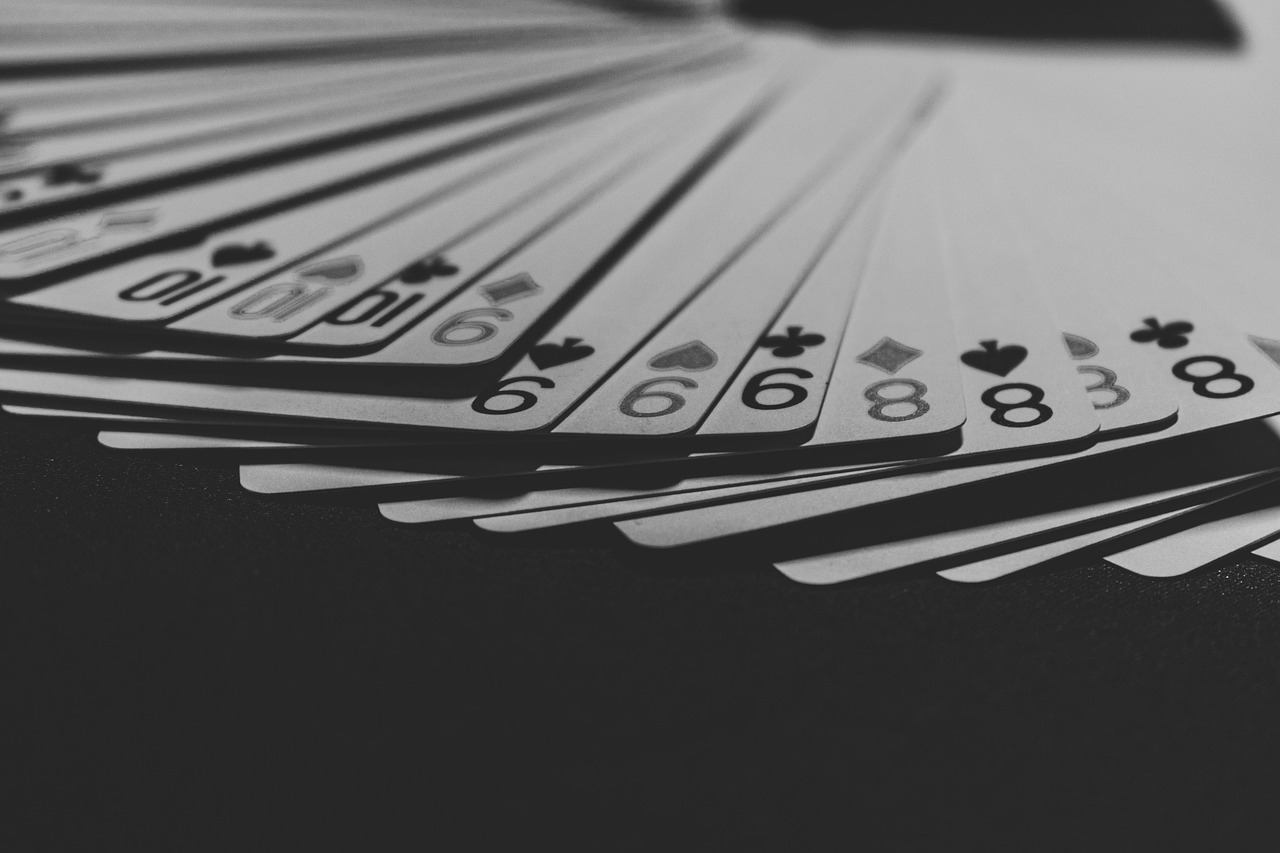
The Real Difference Between Winning and Losing at Slots
Two players sit side by side at the same slot machine. Both feed it the same hundred euros over the same hour. One walks away up 300; the other is down to lint and regret. Ask either of them why, and you'll get two useless answers: "luck" from the loser, "skill" from the winner. The truth is both are wrong, and understanding why is the single most valuable thing you can learn from the iGaming world.
I've spent the better part of a decade watching how casino games actually behave, talking to slots designers, poker pros and bookmakers, and the gap between how players think these games work and how they actually work is enormous. That gap is where money quietly disappears. Let's close it.
The Number That Decides Everything: RTP and Its Dirty Little Secret
Every licensed slot has an RTP, or Return to Player percentage. An online slot with 96% RTP returns, on average, 96 cents of every euro wagered over millions of spins. The casino keeps 4%. That's the house edge, and it never sleeps.
Here's the dirty little secret most players miss: that average is calculated over an enormous sample. In a single session of 500 spins at €1, your result might swing anywhere from +€600 to −€500 with the exact same RTP. RTP describes the long run. Your session lives entirely in the short run. Two slots with identical RTP can have wildly different volatility profiles, and volatility is what actually shapes your experience.
- Low volatility: frequent small wins, rare disasters. RTP gets paid out steadily.
- Medium volatility: a balanced ride with occasional decent hits.
- High volatility: long dead stretches then a monster hit. Most sessions end in loss; a few end gloriously.
Book of Dead and similar "book" slots are famously high volatility. Someone hits 5,000x their bet, posts a screenshot, and suddenly everybody is grinding the same slot expecting the same outcome. That's survivorship bias with a reels animation.
Poker Is Genuinely Beatable (and That Changes Everything)
Contrast the slot player with the cash-game poker player. Here's the crucial difference: poker is not played against the house. You play against other humans, and the house takes a small rake from the pot. If you're better than the table, you win over time. Skill isn't a mood; it's measurable. A solid winner at €1/€2 no-limit hold'em over 100,000 hands will show a clear positive trend, and a losing player will show a clear negative one, and the poker world has tools to prove it: hand histories, trackers, and a metric called bb/100, big blinds won per hundred hands.
But here's what nobody tells beginners: even a genuinely winning player can lose for weeks. A 5bb/100 winner with normal variance can post a 20-buy-in downswing that lasts 30,000 hands. It's real, it's documented, and it bankrupts people who confuse a losing streak with a broken game.
The practical implication
If you're playing slots, treat every euro as entertainment spending, not investment. If you're playing poker, treat bankroll management as non-negotiable. Twenty buy-ins is the floor for cash games, 100+ for tournaments, and if that sounds excessive, you haven't met variance yet.
Why Betting Markets Look Smarter Than They Are
Modern sportsbooks are brutally efficient at pricing major markets. The over/under on a Premier League match? The closing line is about as sharp as public information gets, and the bookmaker's margin is baked in. Chasing those efficiently priced favorites is a slow bleed.
Where the edge exists is in the margins: smaller leagues, player prop markets, obscure Asian handicaps, and especially line shopping. Getting 2.10 instead of 1.95 on the same outcome isn't a small thing; it's the entire difference between a winning and losing bettor over hundreds of bets. Here's the arithmetic nobody does:
- Bet €100 at odds of 1.95. Win 52% of the time: expected value = €101.40.
- Bet €100 at odds of 2.10. Win the same 52%: expected value = €109.20.
- Over 500 bets, that difference is roughly €3,900 in expected profit.
Same picks, same skill, radically different bankroll. The market you bet in and the price you accept matter more than your "feel" for a game. A detailed guide is available at สล็อตเว็บตรง.
The House Edge Is Not a Conspiracy, It's Math
People love to believe machines are rigged or that the casino "knows" when to pay out. This is comforting because it implies someone is in control. The reality is more mundane: the house edge is built into the game rules and verified by regulators. A roulette wheel with one zero has a 2.7% edge. Add a second zero and it climbs to 5.26%. This is not a secret; it's printed on the felt.
Where it gets interesting is game choice. A knowledgeable player who understands the edge and picks the lowest-edge version of every game will lose far slower, and often play for free via bonuses, than a player chasing the flashiest title.
- Blackjack: roughly 0.5% edge with basic strategy, versus 2%+ if you play hunches.
- Video poker (optimal play): can dip below 0.5% on some pay tables.
- Progressive jackpot slots: edge often 10-15%, because the jackpot funding is baked into every spin.
None of these numbers mean you'll win. They mean you'll lose less, and losing less is the closest thing to a strategy the casino floor offers.
The Three Habits That Separate Disciplined Players From Degenerates
After watching thousands of players, the behavioral patterns are startlingly consistent. It's rarely about game knowledge. It's about this:
- Stop-loss and take-profit rules set before the first spin. Leave at −€200 or +€300, no negotiation, no "one more spin." This single rule saves more money than every tip combined.
- Bet sizing in absolute euros, not percentages of winnings. "I'm playing with house money now" is how a €400 profit becomes a €200 loss.
- Timeboxing sessions. Fatigue destroys decisions. Ninety minutes is the realistic attention ceiling before your discipline crumbles.
Notice that none of these require reading a chart or understanding combinatorial game theory. They require adopting a system and then obeying it when every impulse screams otherwise. That's the skill. It doesn't feel cool, and that's precisely why it works.
What Actually Matters When You Log Off
Every game in the iGaming world is built to extract a small, mathematically certain edge from every player who lines up. The slots player can't outrun the reel algorithm. The bettor can't outsmart the closing line on a mainstream market. What a player can control is what they choose to play, how much they commit to it, and whether they understand the specific cost of the specific game they're in.
The person who treats gambling as entertainment with a fixed budget and a clear exit plan will always be richer in life than the person grinding a high-volatility slot at 3 a.m. chasing the screenshot that ruined them. The math is stubborn and doesn't negotiate. But you can. That's the only real edge the industry has left to give you, and it's yours the moment you decide to take it.
tag: iGaming

James Hartley Author
Learn which cedar grades suit benches, tables and planters, and how to protect the timber from damp British weather.
YOU MAY ALSO LIKE
Choosing Durable Cedar Wood for Garden Furniture
Sep 22
10Use pinecones, paper stars and beeswax candles to dress a festive table without spending much or creating waste.
read more
Simple Scandinavian Christmas Table Decorations to Make
Sep 16
10Discover compact conifers, heathers and box alternatives that provide structure and colour throughout every season in modest plots.
read moreInteriors
-

ERRIC CATONA
Start with green wood, a sharp knife and patient strokes to make a useful spoon for your kitchen.
May 19, 2016 at 5.12 pm
Reply
ERRIC CATONA
Plan ventilation, insulation and safe stove placement before constructing a small garden sauna for restful evenings all year round.
May 19, 2016 at 5.12 pm
Reply -
ERRIC CATONA
Identify safe hedgerow fruits and turn them into jams, cordials and sauces using simple traditional methods at home.
May 19, 2016 at 5.12 pm
Reply
Garden
Your email address will not be published.