
The House Always Wins? Not Always - A Real Look at iGaming
Every gambler has heard the phrase "the house always wins." It is repeated so often that most players accept it as some kind of universal law. But if that were strictly true, no one would ever walk away from a casino with a profit, and no professional poker player would make a living from the game. The reality is far more nuanced, and understanding that nuance is the single most valuable thing you can do as a player. Whether you are spinning slots at 2 a.m., grinding low-stakes cash games, or trying to beat the closing line on a weekend football slate, the math and the psychology behind iGaming reward the people who bother to learn them.
Why the House Edge Is Not the Whole Story
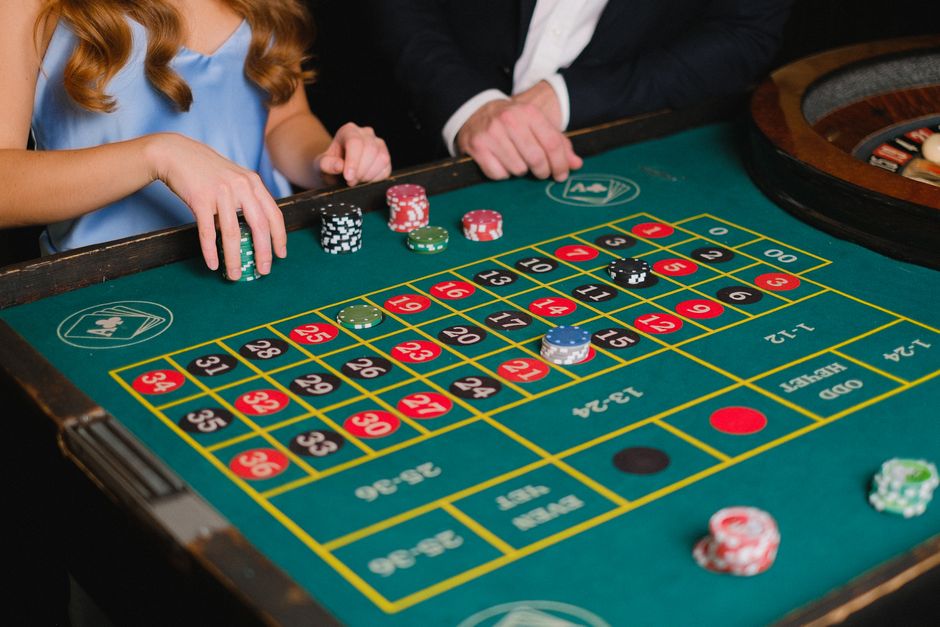
Take a standard American roulette wheel. Thirty-eight pockets, two of them green. The payout on a single number is 35-to-1, but the true odds are 37-to-1. That gap is the house edge, roughly 5.26 percent, and over thousands of spins it is essentially guaranteed to grind a player down. Compare that to a European wheel with only one zero, where the edge drops to about 2.7 percent. Same game, same excitement, half the tax. That single detail has saved sharp players more money than any betting system ever invented.
Slots work differently. There is no visible wheel and no published payout table you can reverse-engineer, but every regulated machine publishes an RTP, or return to player percentage. A slot with 96 percent RTP gives back 96 cents of every dollar wagered over millions of spins. The remaining four cents is the casino's cut. That doesn't mean a session will return 96 percent - variance means you might triple your bankroll in ten minutes or lose it in five. It means the long-run expectation is fixed. High-volatility slots pay rarely but heavily; low-volatility slots pay often but small. Knowing which you are playing is the difference between a fun session and a frustrating one. A good place to continue is สล็อตเว็บตรง.
Skill Games Are a Different Animal
Here is where the "house always wins" line completely falls apart. In poker, the house does not play against you at all. It takes a rake - typically 5 percent of the pot up to a cap - and steps out of the way. Your opponent is another player, and if you are better than they are, you win over time. That is why professional poker exists as a career and professional roulette does not.
- Cash games reward patience and table selection more than fancy bluffs. Sitting at a table full of regulars is a slow way to bleed money.
- Tournaments reward ICM awareness and aggression near the bubble, where most amateurs tighten up and get run over.
- Sports betting is closer to poker than slots. Sharp bettors line-shop across multiple books, take advantage of stale lines, and treat it as an investment rather than entertainment.
A seasoned bettor might hit 54 percent of their picks against the spread. That sounds barely better than a coin flip, but at scale it is a meaningful edge - and it is completely invisible to anyone who only looks at a single weekend's results.
Bankroll Management: The Boring Skill That Actually Matters
You can have a brilliant poker mind or a flawless sports model and still go broke in a month if you ignore bankroll management. The rule seasoned players follow is simple: never risk more than a small fraction of your total gambling funds on any single event.
- Decide on a dedicated bankroll. This is money you can afford to lose entirely, separated from rent, groceries, and savings.
- Cap each bet at 1 to 2 percent of that bankroll for cash games and sports bets. For tournaments, 1 to 5 percent per buy-in is standard.
- Move down in stakes when you drop 20 percent, move up when you grow 30 to 50 percent. Never chase losses by jumping up.
- Track every session, win or lose. Most players dramatically overestimate how well they are doing until they see the numbers in a spreadsheet.
That last point is uncomfortable, which is exactly why it works. The moment you write down losses instead of quietly forgetting them, your decisions improve.
Bonuses, Promos, and the Fine Print Nobody Reads
Online casinos and sportsbooks compete hard for deposits, which means welcome bonuses, free spins, and reload offers are everywhere. They can be genuinely valuable, but only if you read the terms. The three things that matter most are wagering requirements, game weighting, and time limits.
A "100 percent up to $200" bonus with a 40x wagering requirement tied to the bonus amount means you must bet $8,000 before withdrawing anything. If slots contribute 100 percent but table games only 10 percent, grinding it out on blackjack would take forever. And if you only have seven days to clear it, most players will fail. A bonus with 25x wagering and a 30-day window is worth far more than a flashier 50x offer. Casinos are not hiding this - they publish it - they simply know most players never look.
The Psychology That Gets You in Trouble
The modern iGaming floor is engineered around fast play, bright lights, and near-miss animations. Slots are designed to keep you in a loop: the reels spin every three seconds, the wins and near-wins come at carefully tuned frequencies, and the losses feel almost like wins. This is not a conspiracy theory - it is basic behavioral psychology, and it is why mobile casino apps have become so effective.
Two biases show up constantly. The first is the gambler's fallacy - the belief that five reds in a row makes black more likely on the next spin. It does not. Independent events stay independent. The second is loss chasing, the urge to double your bet to "win it back." That instinct has bankrupted more players than any bad run of cards. If you notice either one showing up in your own play, stop for the day. The game will still be there tomorrow.
The Realistic Bottom Line
iGaming is not a rigged trap and it is not a get-rich-quick scheme. It is an industry with mathematically fixed edges on some products and genuine skill components on others. The players who last - and who actually enjoy themselves - are the ones who understand the math, pick their games deliberately, manage their money like adults, and treat the whole thing as entertainment with a defined cost rather than a strategy for paying rent. Know your RTP, know your edge, know your limits, and the house advantage stops being a threat and starts being exactly what it is: a price of admission.
tag: iGaming

James Hartley Author
Learn which cedar grades suit benches, tables and planters, and how to protect the timber from damp British weather.
YOU MAY ALSO LIKE

Choosing Durable Cedar Wood for Garden Furniture
Sep 22
10Use pinecones, paper stars and beeswax candles to dress a festive table without spending much or creating waste.
read more
Simple Scandinavian Christmas Table Decorations to Make
Sep 16
10Discover compact conifers, heathers and box alternatives that provide structure and colour throughout every season in modest plots.
read moreInteriors
-

ERRIC CATONA
Start with green wood, a sharp knife and patient strokes to make a useful spoon for your kitchen.
May 19, 2016 at 5.12 pm
Reply
ERRIC CATONA
Plan ventilation, insulation and safe stove placement before constructing a small garden sauna for restful evenings all year round.
May 19, 2016 at 5.12 pm
Reply -
ERRIC CATONA
Identify safe hedgerow fruits and turn them into jams, cordials and sauces using simple traditional methods at home.
May 19, 2016 at 5.12 pm
Reply
Garden
Your email address will not be published.